Single-player strategy against living rulers
What makes a computer opponent feel like a ruler, and how Covenant Ages plays alone, with leaders who write and remember, eight levels of challenge, a tutorial and The Last Ordeal.
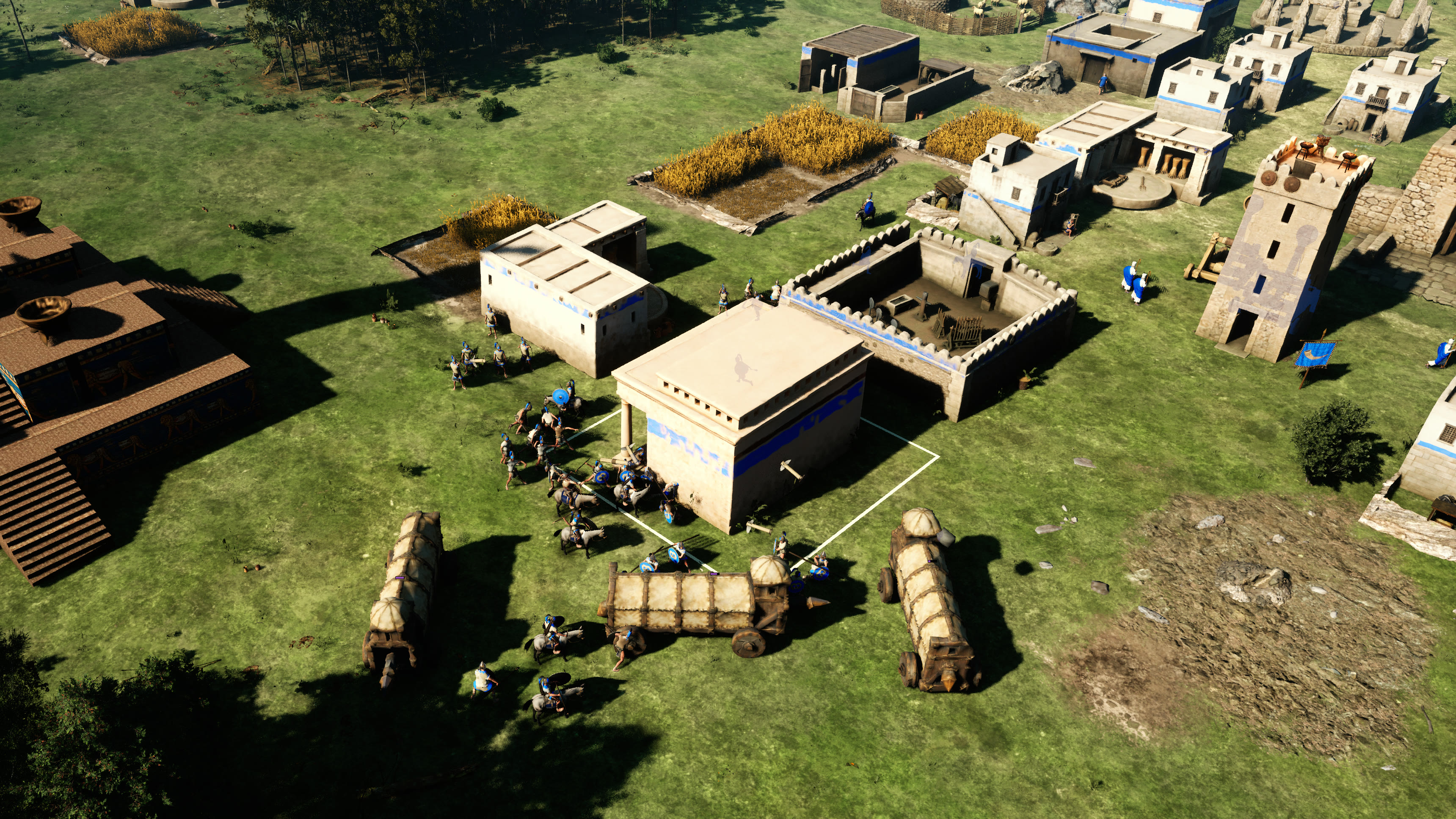
The hardest thing to build in a single-player strategy game is an opponent who feels like someone, because a computer rival that only counts soldiers is a puzzle, and a puzzle is solved once. Covenant Ages puts its effort into rulers who seem to want things, remember things and tell you about both.
Up to seven computer leaders share the land with you, each with a face, a personality and a history with the other houses and with you. They act in their own interest, which means they gather, build, swear covenants and race for wonders by the rules of the match, at the pace the level of challenge sets, and they see only what their own people can see through the fog of war. Their letters come through your Herald, with offers of truces and alliances, prices asked, refusals with their reasons and the names of your men who crossed their borders. When your side strikes together with an ally, the Herald names the moment and its target.
There are eight levels of challenge, from Sheltered, where the leaders gather, build and train at a fraction of your pace, to Mythic, where they gather twice as fast as you, with Mortal as the usual level, and the first time you choose Single player the game offers a tutorial of 33 steps from the first Camp to the first wonder. A match can hold two houses or eight, on any of the 29 hand-designed maps or on a Random map drawn from a new seed.
For a player who wants the whole land to turn on them, The Last Ordeal is the other road. The gods choose your house and five rulers come for it in waves that build to a peak, fall quiet and return as great waves, while the gods send the wonders of Ages III to VI at set minutes and your High Priest calls out each host that draws near. Your Cornerstone falls in the end, and the gods speak of how long it stood, which turns every run into a question of how much longer the next one can last.